Research stack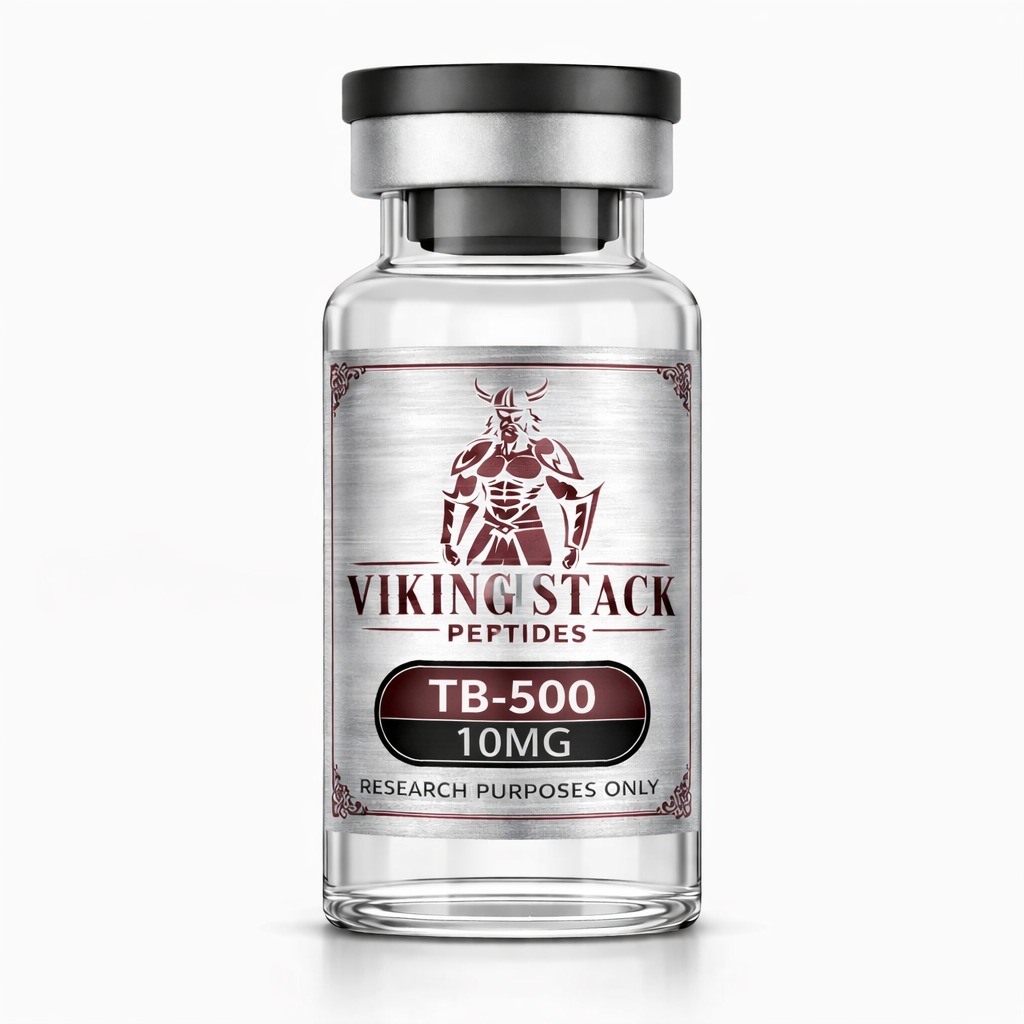
VSP-RECOVERY
Injury Recovery Stack
INCLUDESBPC-157 · TB-500 · GHK-Cu
Combines complementary tissue-repair, angiogenesis, collagen, and inflammatory-signaling research pathways.
VIEW FULL RESEARCH PROTOCOL →$112.00
 Shop catalog →
Coordinated compound sets organized around a defined area of laboratory investigation. Review every component before designing an independent research protocol.
FREE SHIPPING ON ORDERS OVER $200
INCLUDESBPC-157 · TB-500 · GHK-Cu
Combines complementary tissue-repair, angiogenesis, collagen, and inflammatory-signaling research pathways.
VIEW FULL RESEARCH PROTOCOL →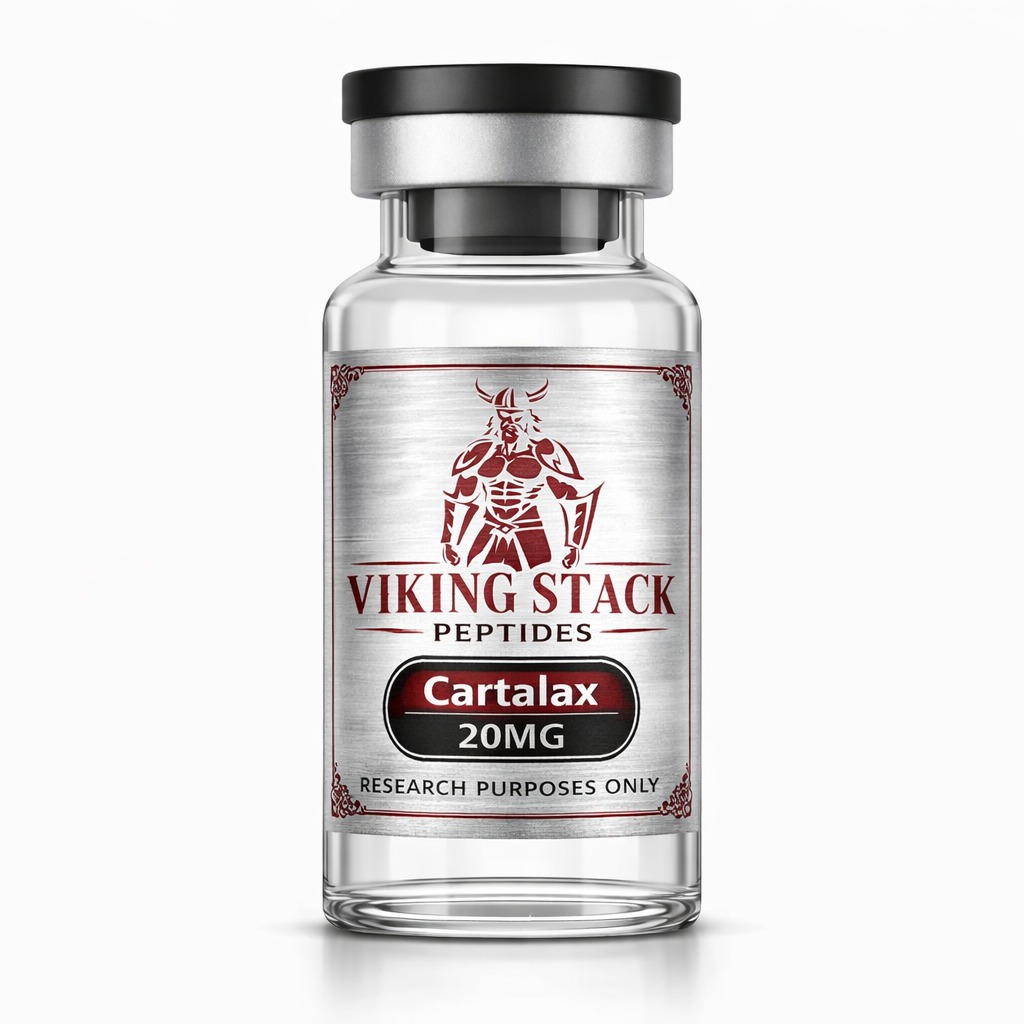
INCLUDESBPC-157 · TB-500 · GHK-Cu · Cartalax
Pairs cartilage and chondrocyte research with tissue repair, collagen, and inflammatory-signaling pathways.
VIEW FULL RESEARCH PROTOCOL →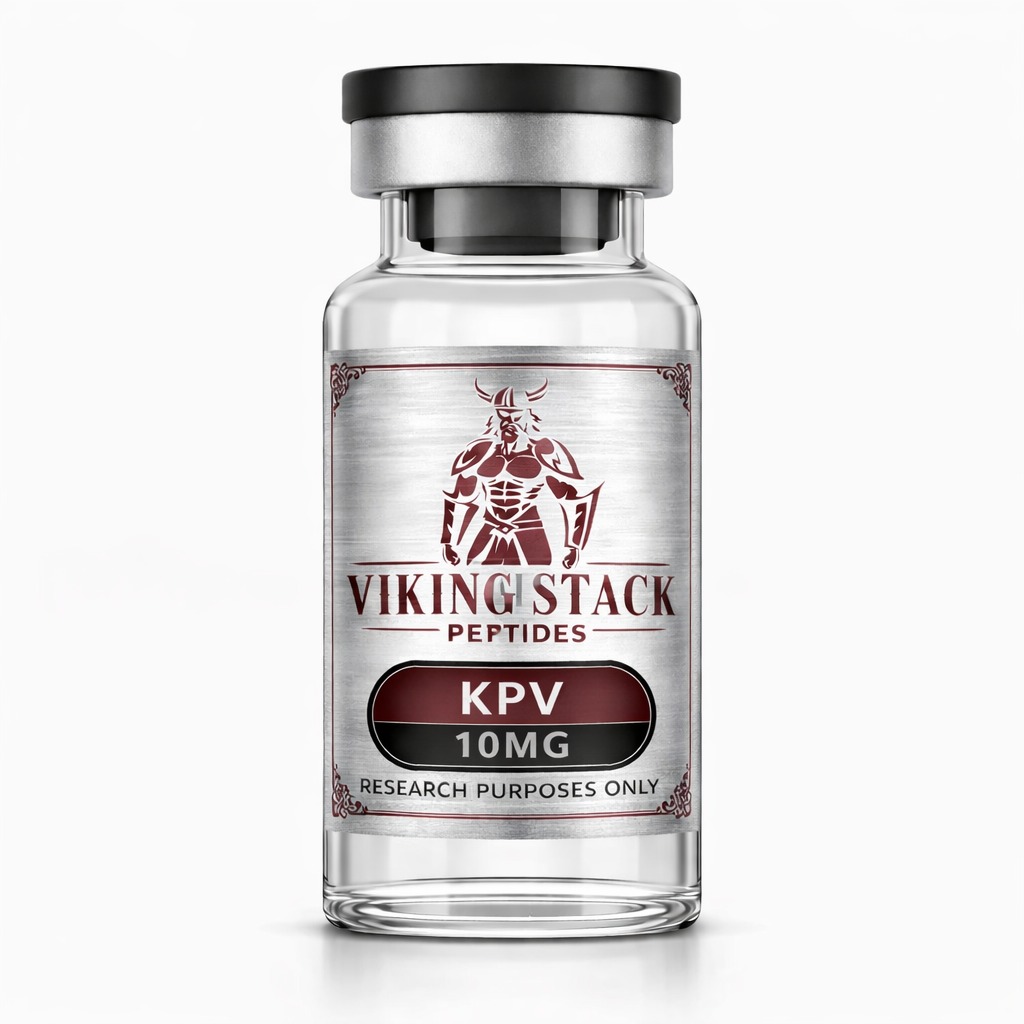
INCLUDESBPC-157 · TB-500 · VIP · KPV
Combines tissue-repair models with immune, cytokine, gut, and systemic inflammatory-signaling research.
VIEW FULL RESEARCH PROTOCOL →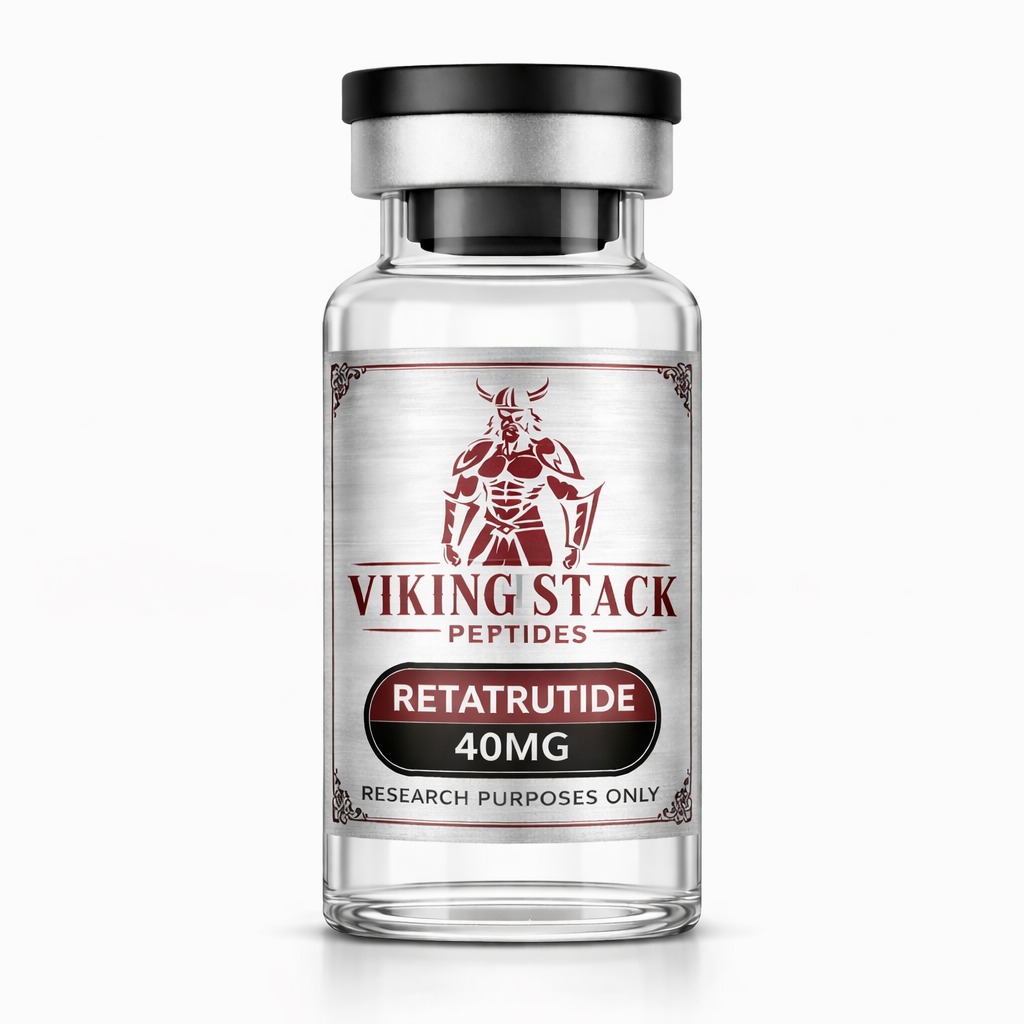
INCLUDESRetatrutide · CJC-1295 · Ipamorelin · Tesamorelin · Follistatin-344
Coordinates metabolic, growth-hormone, IGF-1, ghrelin-receptor, and myostatin research pathways.
VIEW FULL RESEARCH PROTOCOL →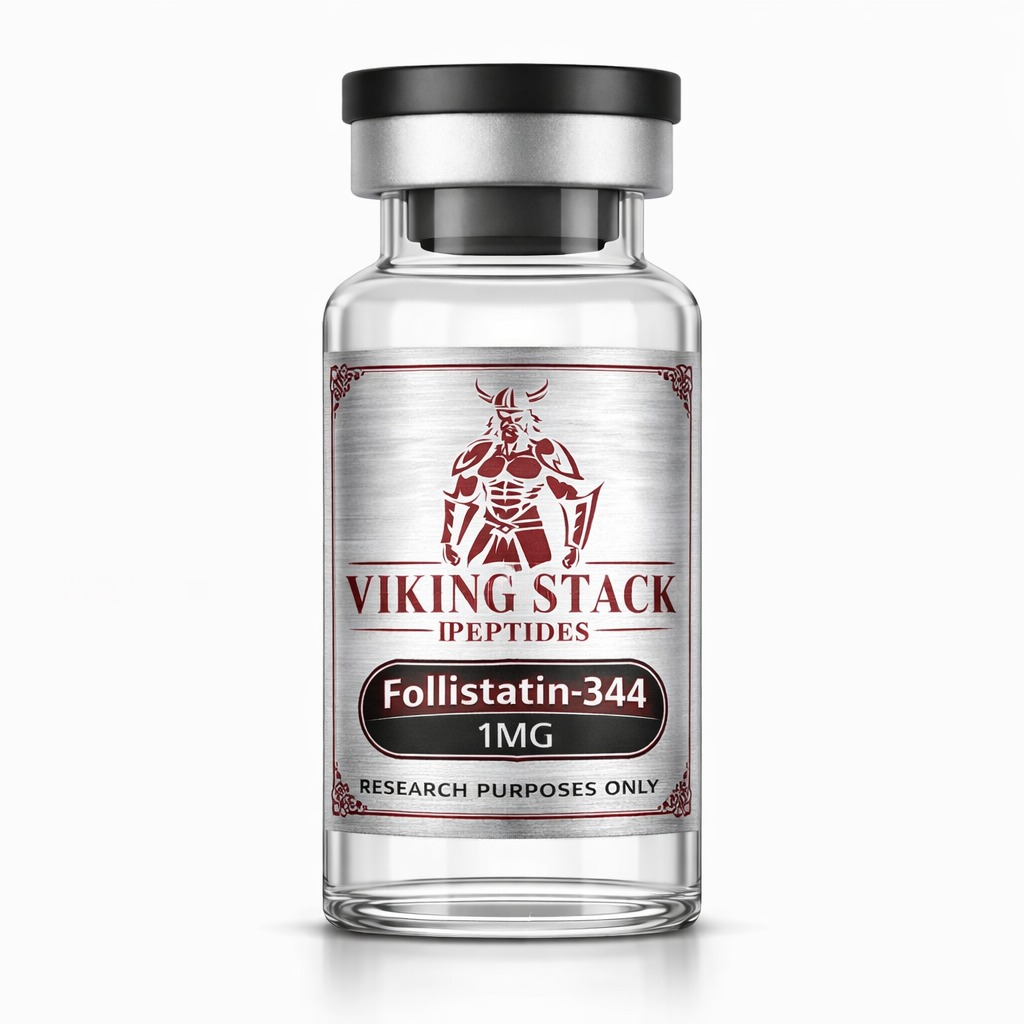
INCLUDESFollistatin-344 · Tesamorelin · CJC-1295 · TB-500
Combines myostatin, growth-hormone, IGF-1, and tissue-remodeling research pathways.
VIEW FULL RESEARCH PROTOCOL →INCLUDESRetatrutide · Tesamorelin · AOD 9604 · MOTS-C
Combines appetite, glucose, lipid-metabolism, lipolysis, and mitochondrial-energy research pathways.
VIEW FULL RESEARCH PROTOCOL →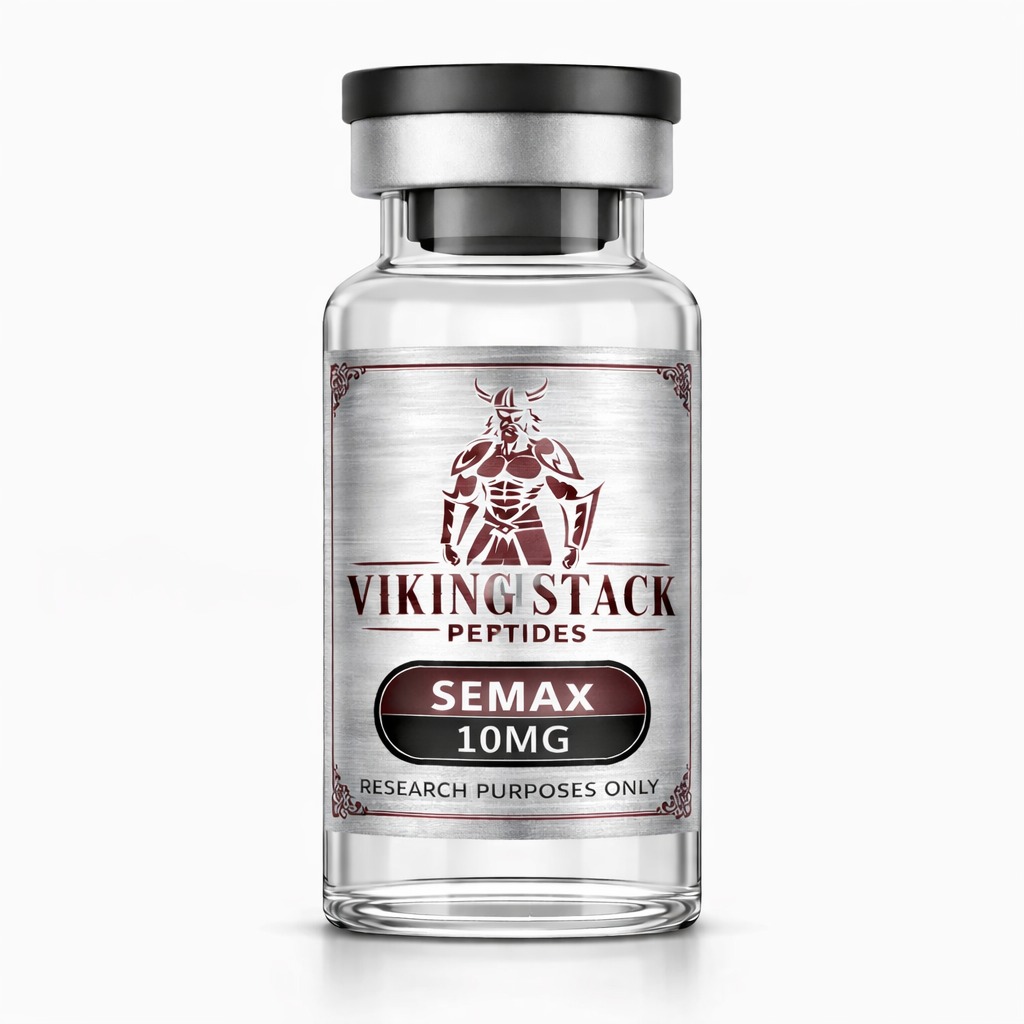
INCLUDESSemax · Selank · Pinealon · NAD+
Combines neurotrophic, GABAergic, neuroprotective, and cellular-energy research pathways.
VIEW FULL RESEARCH PROTOCOL →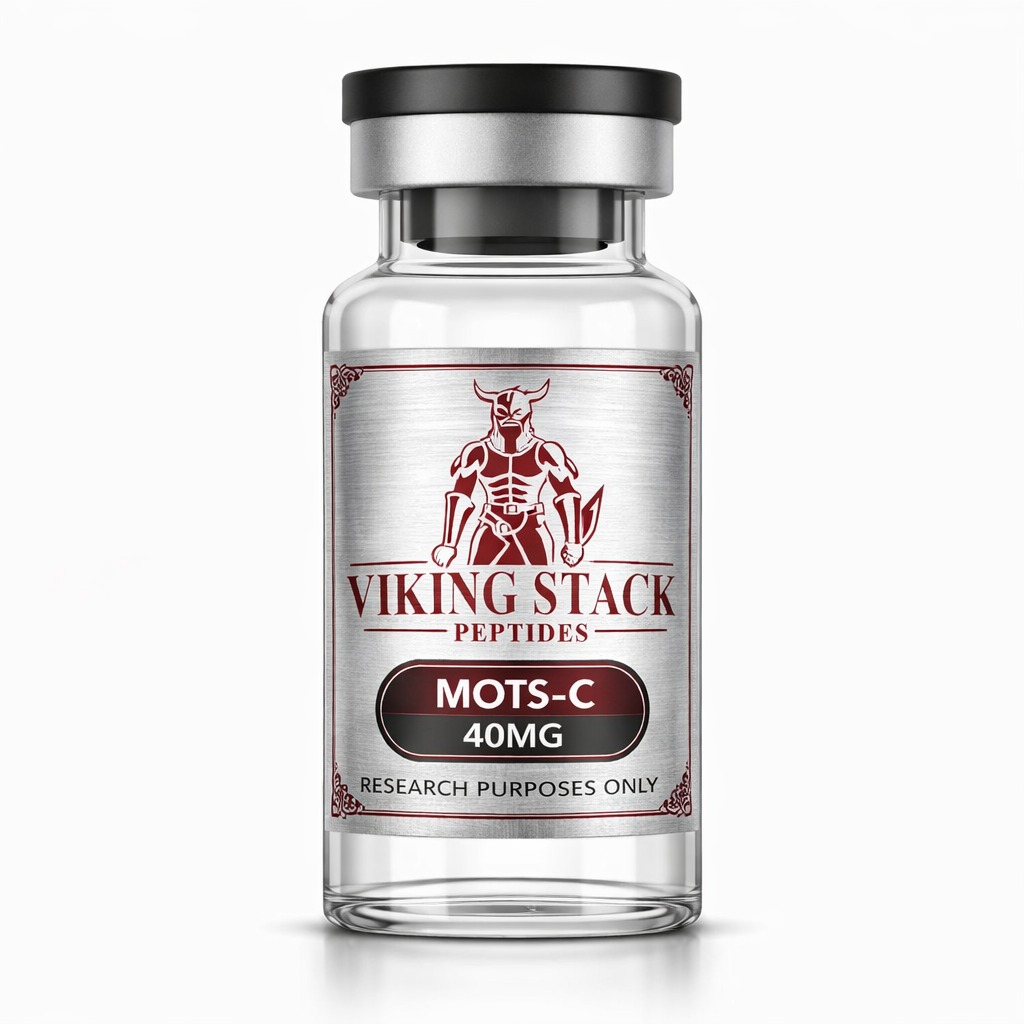
INCLUDESMOTS-C · SS-31 · NAD+
Coordinates mitochondrial signaling, membrane protection, oxidative stress, and cellular-energy research.
VIEW FULL RESEARCH PROTOCOL →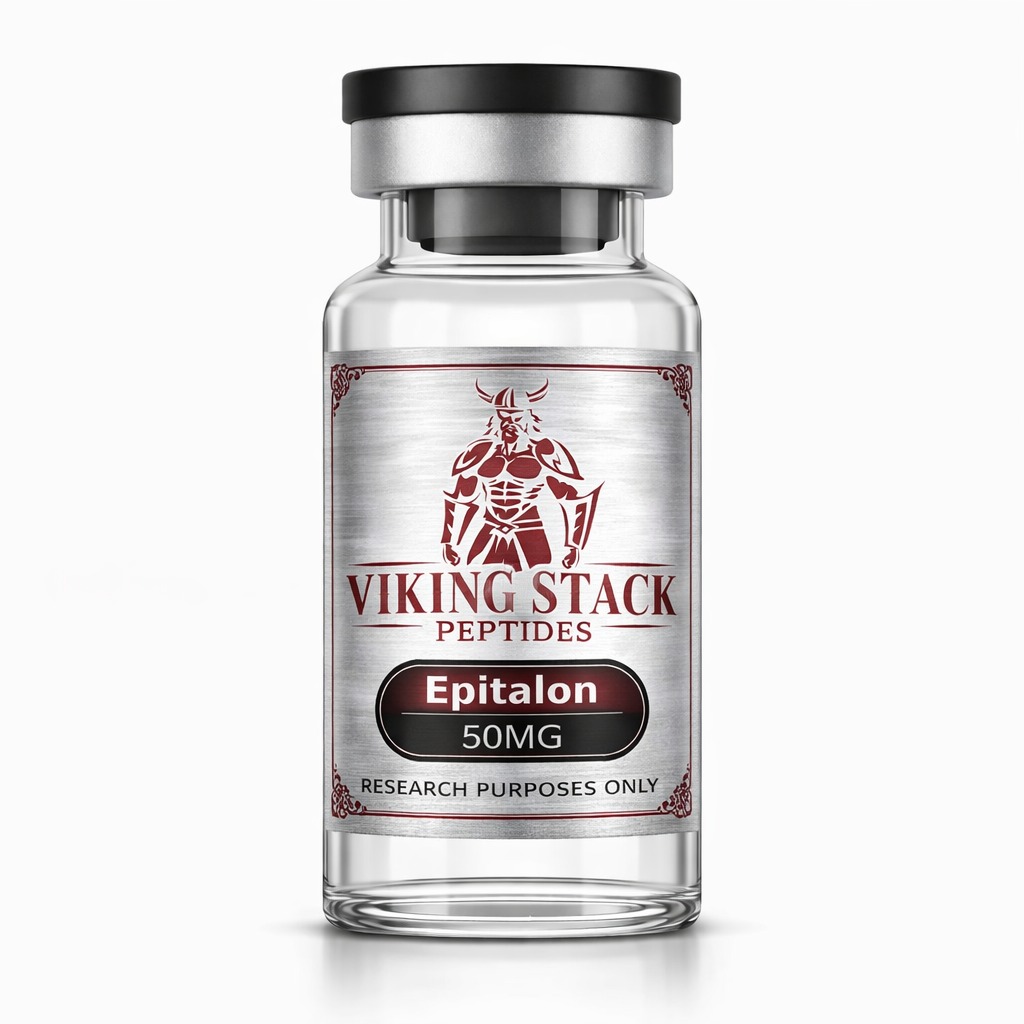
INCLUDESEpitalon · FOXO4-DRI · MOTS-C · Pinealon
Combines telomerase, senescent-cell, mitochondrial, and neuroprotective aging research pathways.
VIEW FULL RESEARCH PROTOCOL →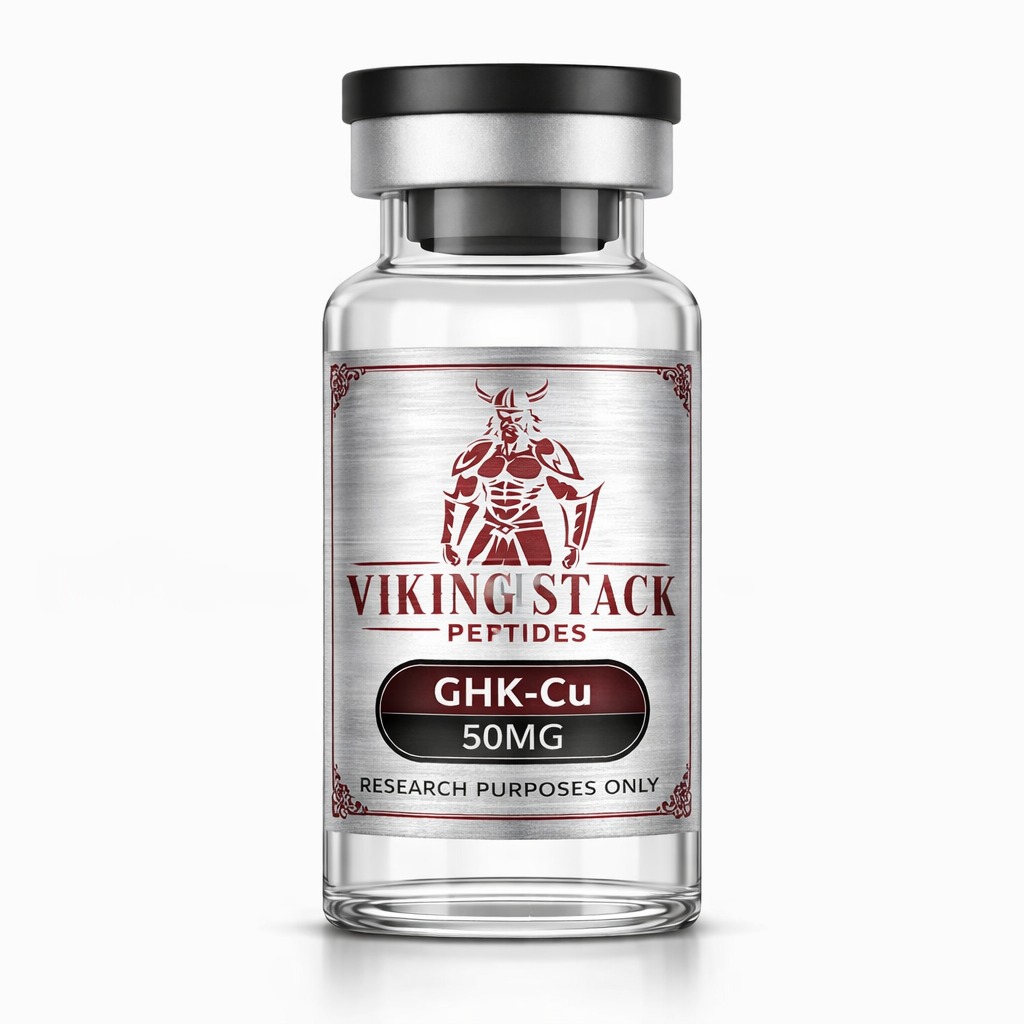
INCLUDESGHK-Cu · KPV · BPC-157
Combines collagen, elastin, tissue-repair, antimicrobial, and inflammatory skin research pathways.
VIEW FULL RESEARCH PROTOCOL →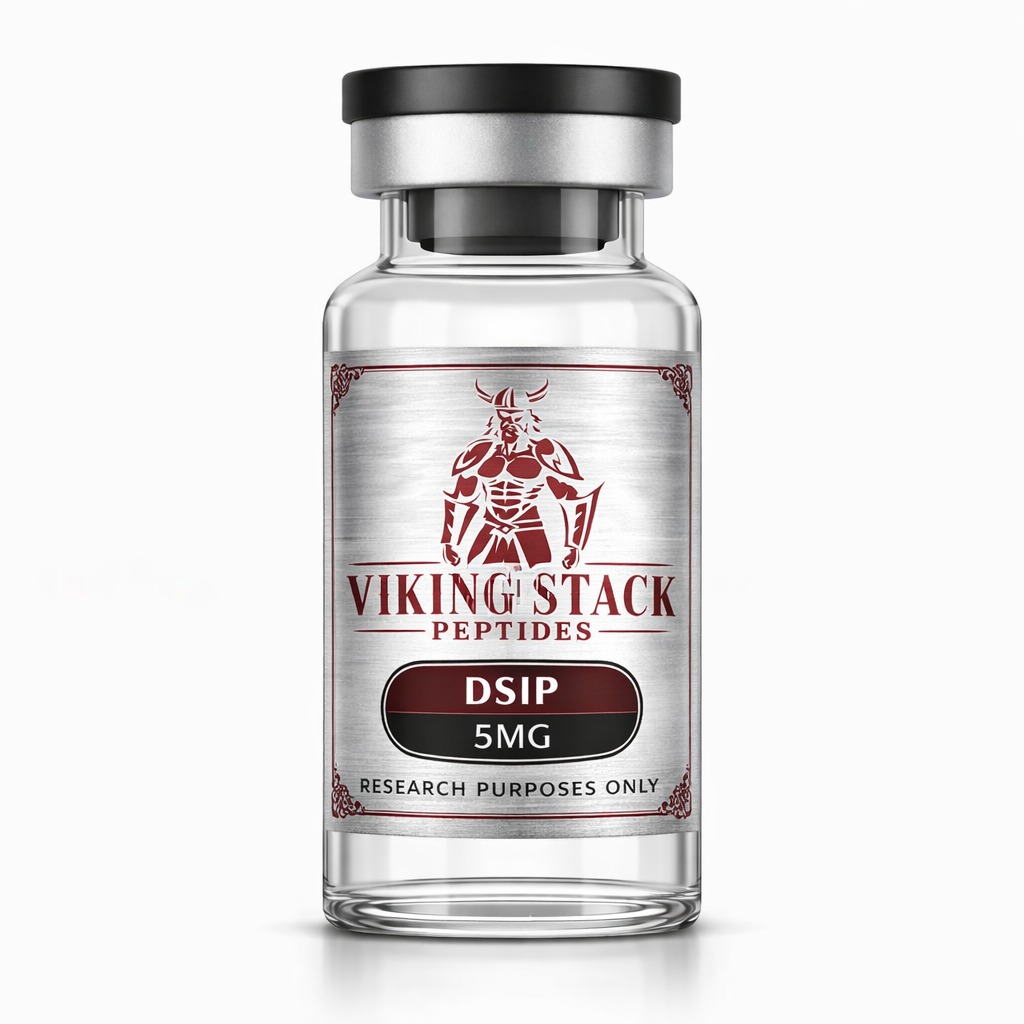
INCLUDESDSIP · Pinealon · Epitalon
Combines sleep-architecture, circadian, neuroprotective, and cellular-aging research pathways.
VIEW FULL RESEARCH PROTOCOL →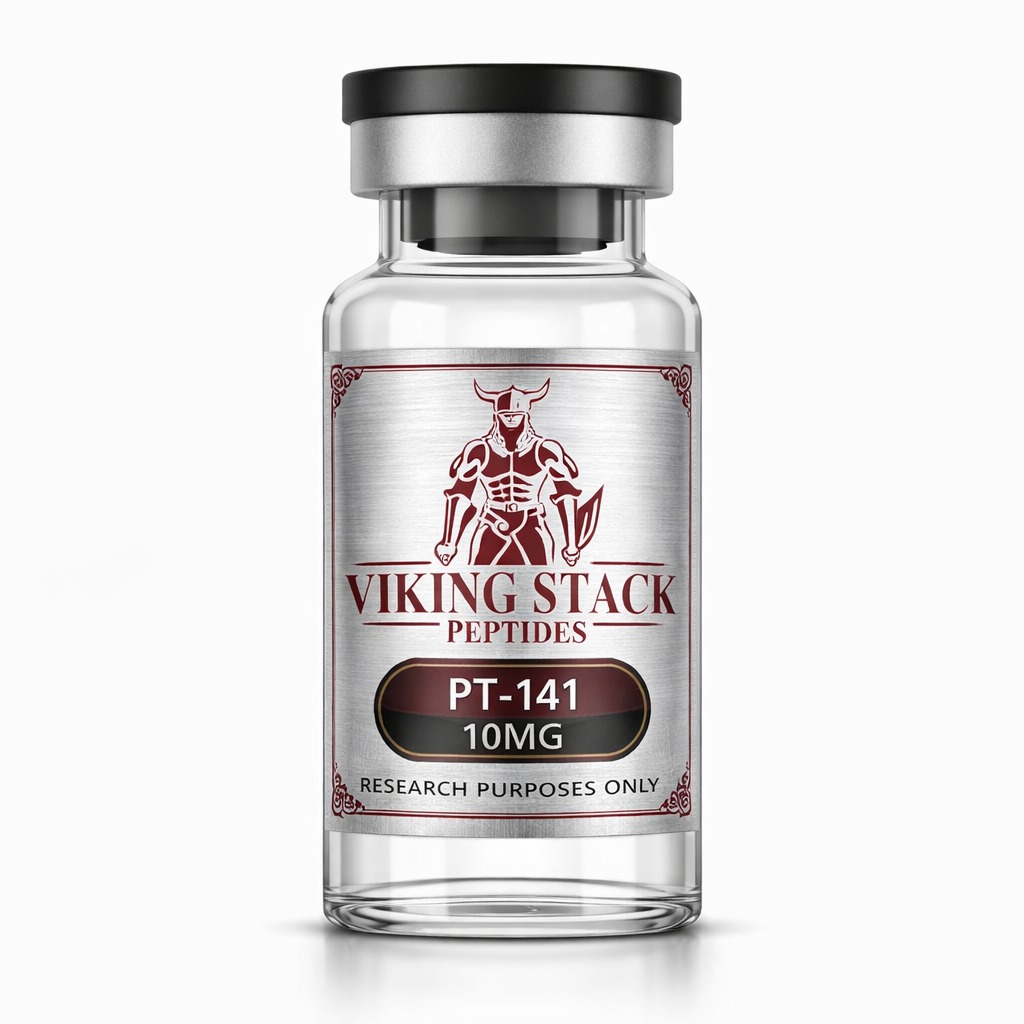
INCLUDESPT-141 · Kisspeptin · Oxytocin Acetate
Combines melanocortin, reproductive-axis, neuroendocrine, and sexual-response research pathways.
VIEW FULL RESEARCH PROTOCOL →Each stack groups compounds with complementary research pathways. Review the role of every component before purchase or protocol design.
Designed for coordinated study of soft-tissue response, cellular migration, collagen synthesis, angiogenesis, and inflammatory signaling.
Fibroblast activity, angiogenesis, inflammation, and tissue-repair models.
Cell migration, angiogenesis, collagen deposition, and tissue-remodeling models.
Collagen, elastin, skin-repair, angiogenesis, and oxidative-stress pathways.
Brings cartilage-specific signaling together with complementary soft-tissue, collagen, angiogenesis, and remodeling research.
Fibroblast activity, angiogenesis, inflammation, and tissue-repair models.
Cell migration, collagen deposition, and tissue-remodeling models.
Collagen, elastin, angiogenesis, and oxidative-stress pathways.
Cartilage, collagen, and chondrocyte-function models.
Organized for studying tissue response alongside immune modulation, inflammatory signaling, and gut-related pathways.
Fibroblast activity, angiogenesis, inflammation, and tissue-repair models.
Cell migration, angiogenesis, collagen deposition, and tissue remodeling.
Vasodilation, neurotransmission, and inflammatory immune signaling.
Inflammatory, antimicrobial, gut, skin, and immune-signaling models.
A multi-pathway system for studying metabolic signaling, growth-hormone release, IGF-1 response, and myostatin inhibition.
GLP-1, GIP, glucagon, appetite, glucose, and metabolic pathways.
Growth-hormone and IGF-1 signaling.
Ghrelin-receptor and pulsatile growth-hormone signaling.
Growth-hormone, IGF-1, and lipid-metabolism pathways.
Myostatin inhibition, muscle-growth signaling, and tissue regeneration.
Organized for coordinated study of muscle-growth signaling, GH and IGF-1 pathways, and tissue-repair response.
Myostatin inhibition, muscle-growth signaling, and tissue regeneration.
Growth-hormone, IGF-1, and lipid-metabolism pathways.
Growth-hormone and IGF-1 signaling.
Cell migration, collagen deposition, and tissue-remodeling models.
A coordinated system for studying metabolic signaling, glucose regulation, fat metabolism, and mitochondrial energy use.
GLP-1, GIP, glucagon, appetite, glucose, and metabolic pathways.
Growth-hormone, IGF-1, and lipid-metabolism pathways.
Lipolysis and fat-metabolism pathways.
AMPK, glucose metabolism, insulin sensitivity, and cellular energy.
Brings together complementary models involving BDNF, stress-response signaling, neuronal protection, and cellular energy.
BDNF expression, neuroprotection, focus, and cognitive signaling.
GABAergic, stress-response, immune, and cognitive signaling.
Neuroprotection, oxidative-stress response, cognition, and neuronal gene regulation.
ATP production, DNA repair, sirtuin activity, and mitochondrial resilience.
Organized for studying cellular-energy production, mitochondrial membrane function, oxidative stress, and metabolic resilience.
AMPK, glucose metabolism, insulin sensitivity, and cellular-energy regulation.
Cardiolipin binding, oxidative stress, and cellular bioenergetics.
ATP production, DNA repair, sirtuin activity, and mitochondrial resilience.
A multi-pathway system for studying cellular aging, senescent-cell signaling, mitochondrial function, and neuronal resilience.
Telomerase, circadian, immune, and cellular-aging pathways.
Selective senescent-cell clearance through FOXO4-p53 signaling.
AMPK, metabolic homeostasis, and cellular-energy regulation.
Neuroprotection, oxidative stress, and neuronal gene regulation.
Organized for studying extracellular-matrix signaling, tissue response, inflammatory pathways, and skin-model repair.
Collagen, elastin, skin repair, angiogenesis, and oxidative-stress pathways.
Inflammatory, antimicrobial, skin, gut, and immune-signaling models.
Fibroblast activity, angiogenesis, inflammation, and tissue-repair models.
Brings together models involving slow-wave sleep, circadian regulation, neuronal resilience, and pineal signaling.
Sleep architecture, stress response, pain, and neuroprotection models.
Neuroprotection, oxidative-stress response, cognition, and neuronal gene regulation.
Circadian, telomerase, immune, and cellular-aging pathways.
Organized for studying complementary central nervous-system, reproductive-hormone, and neuroendocrine signaling.
Melanocortin and central nervous-system sexual-response signaling.
GnRH, LH, and FSH signaling within reproductive research.
Neuroendocrine, social-bonding, reproductive, and sexual-response signaling.
Research descriptions identify laboratory pathways only. They do not communicate dosing, compatibility, safety, efficacy, or suitability for human or veterinary use.