BPC-157
A synthetic gastric pentadecapeptide studied in fibroblast activity, angiogenesis, inflammatory signaling, and tissue-response models.
 Shop catalog →
Organized for studying tissue response alongside immune modulation, inflammatory signaling, and gut-related pathways.
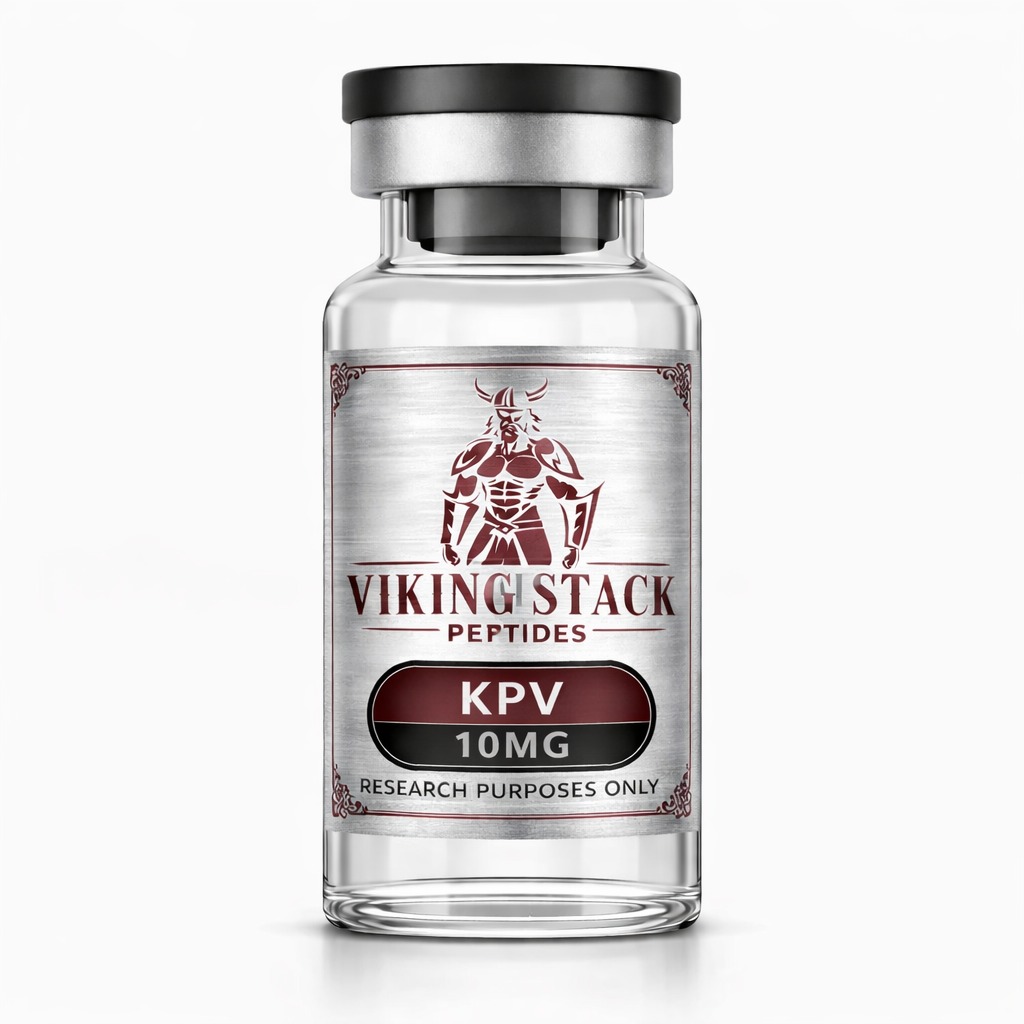
This set combines tissue-response compounds with immune and cytokine signaling. BPC-157 and TB-500 cover fibroblast activity, angiogenesis, cell migration, and remodeling. VIP and KPV add vasodilatory, neuroimmune, cytokine, antimicrobial, gut, and skin-related inflammatory pathways.
BPC-157 · TB-500 · VIP · KPV
The complete component notes below are adapted from the client-supplied protocol worksheet and framed for laboratory research.
A synthetic gastric pentadecapeptide studied in fibroblast activity, angiogenesis, inflammatory signaling, and tissue-response models.
A thymosin beta-4-related analogue studied in cell migration, angiogenesis, collagen deposition, inflammatory signaling, and tissue remodeling.
A 28-amino-acid neuropeptide studied as a vasodilator, neurotransmitter, and immunomodulator, including its relationship to pro- and anti-inflammatory cytokine signaling.
A tripeptide derived from alpha-MSH studied in inflammatory, antimicrobial, NF-kB, cytokine, gut, skin, and immune-signaling models.
This reference explains why the compounds are grouped and identifies the biological pathways represented by the stack. It does not prescribe concentration, sequence, frequency, compatibility, preparation, or administration.
Qualified researchers are responsible for independent literature review, experimental design, controls, handling procedures, documentation review, and compliance with all applicable requirements.
4-compound research set · $156.00
VIEW STACK & ADD TO CART →All information on this page describes laboratory research pathways only. Products are not intended for human or veterinary use and are not offered to diagnose, treat, cure, or prevent any disease.