Educational discussion of published research. Viking Stack products are for laboratory research only—not for human or veterinary use.
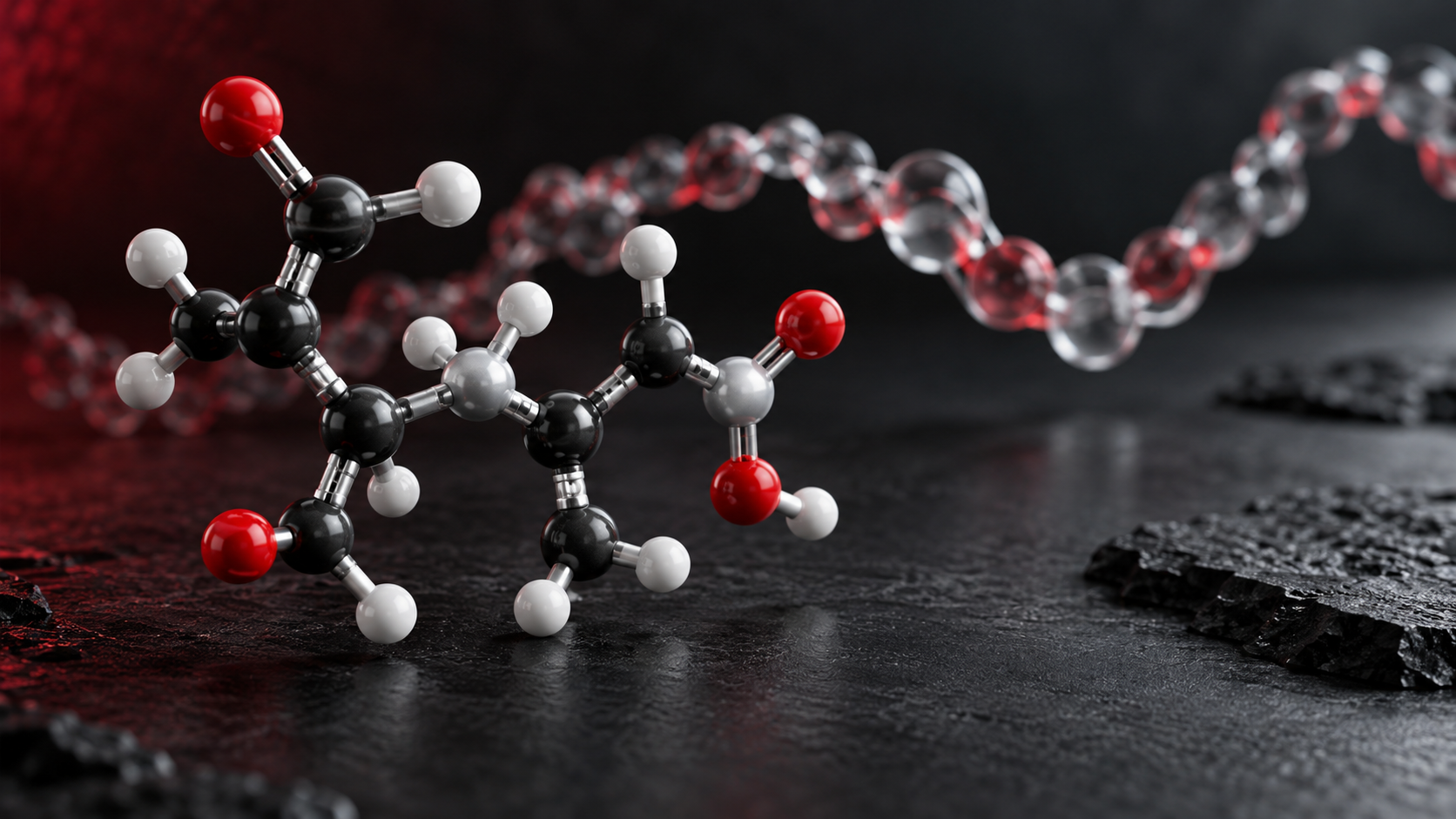
Peptides are chains of amino acids, the building blocks of proteins. They are generally shorter than proteins, although there is no absolute dividing line. A peptide’s sequence and shape help determine how it interacts with biological systems. Some occur naturally; others are developed in laboratories to investigate or modify specific functions.
Many peptides act as chemical messengers. They bind to receptors on cells and influence cellular behavior. Depending on the molecule, researchers may study pathways related to blood glucose, appetite, hormone release, or other processes. Each peptide has distinct properties—there is no single “peptide effect.”
Established medicines and emerging research
The field includes well-established medicines. Insulin is a peptide hormone used in diabetes care. Teriparatide, a fragment of parathyroid hormone, is used in certain patients with osteoporosis. These are specific, regulated medicines with evidence for particular indications—not evidence that every peptide sold for research has the same clinical utility.
In 2024, the FDA approved an additional indication for Wegovy (semaglutide) to reduce the risk of cardiovascular death, heart attack, and stroke in adults with established cardiovascular disease and overweight or obesity. In the supporting trial, those events occurred in 6.5% of the Wegovy group versus 8% of the placebo group; both received standard care. A separate trial in people with obesity and prediabetes found that tirzepatide reduced progression to type 2 diabetes during the study period. Neither finding can be transferred to unrelated compounds or populations.
Results like these justify further research, but a plausible mechanism does not guarantee an effective or safe treatment. Evidence depends on the exact molecule, formulation, population, study design, and measured outcome.
Peptides are not steroids—and not interchangeable
Peptides are amino-acid chains. Anabolic steroids have a different chemical structure related to testosterone. That distinction does not mean a peptide cannot affect hormonal pathways; effects and risks must be evaluated molecule by molecule.
Most importantly, an approved prescription peptide and an experimental laboratory compound are different categories. Clinical evidence for one must not be treated as a claim about the other. Viking Stack products are offered strictly for laboratory research, not for human or veterinary use.
Sources & further reading
This article is educational and does not establish safety, efficacy, or suitability of any Viking Stack product for human or veterinary use. Product descriptions are not medical advice.
← BACK TO ALL ARTICLES